Exposure Triangle Explained Without the Usual Fog
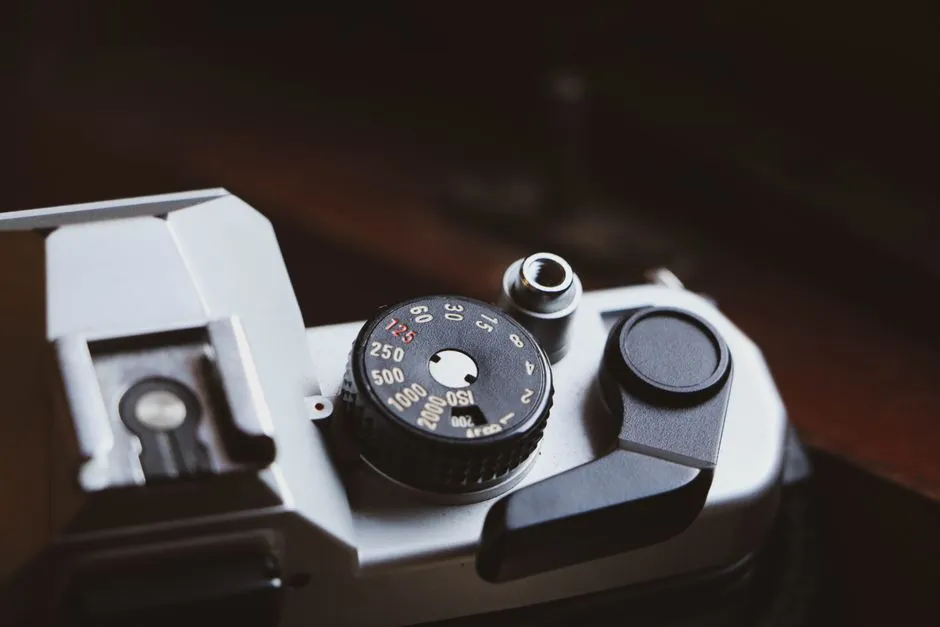
- The triangle is useful, but the three corners do different jobs
- Aperture changes the opening and depth of field
- Shutter time controls duration and motion rendering
- ISO changes recorded brightness behavior
- A stop is a factor of two
- Choose appearance first, then balance
- Automatic modes still use the same tradeoffs
The triangle is useful, but the three corners do different jobs
The exposure triangle links aperture, shutter time, and ISO because photographers balance all three when choosing image brightness and appearance. Yet only aperture and shutter time control the amount of scene light collected during the exposure. ISO controls how the camera turns the captured signal into recorded brightness, with consequences for noise and highlight headroom.
That distinction makes the model clearer. ISO is important; it is simply not a bucket pouring extra photons through the lens.
Aperture changes the opening and depth of field
Aperture is expressed as an f-number such as f/2.8, f/4, or f/5.6. A smaller f-number describes a larger relative opening and, all else equal, admits more light. A larger f-number describes a smaller opening and admits less.
Aperture also affects depth of field: how much distance appears acceptably sharp around the focused plane. Wider apertures can produce shallower depth of field, while smaller apertures can extend it. Focal length, focus distance, output size, and viewing conditions also matter, so one f-number does not guarantee one background look.
Very small apertures can soften fine detail through diffraction. The visible point depends on camera, lens, resolution, and output; avoid inventing a universal cliff.
Shutter time controls duration and motion rendering
Shutter time is how long the recording medium gathers light for the frame. Moving from 1/250 second to 1/125 second doubles the duration and, under unchanged light and aperture, doubles exposure. Moving from 1/125 to 1/250 halves it.
Longer times show more movement from the subject or camera. Shorter times reduce that motion blur. Image stabilization may reduce some camera movement, but it cannot freeze a person walking across the frame.
Choose shutter time by asking what should happen to motion. A waterfall, a running dog, and a seated portrait do not owe each other one magic fraction.
ISO changes recorded brightness behavior
Raising ISO usually makes a given aperture-and-shutter capture render brighter in the camera's output or raw-data interpretation. It can help the photographer choose a shorter shutter time or smaller aperture while maintaining the intended brightness.
It does not increase the light captured when aperture and shutter remain unchanged. Higher ISO commonly makes noise more visible and can reduce recoverable highlight range. Exact behavior differs across sensor and camera design, so test the model you use rather than memorizing one “clean ISO” limit from somebody else's camera.
The camera basics collection uses this phrasing carefully: exposure and rendered brightness are related, not identical.
A stop is a factor of two
In exposure terms, one stop means twice or half the light. Double shutter duration for one stop more exposure; halve it for one stop less. Full-stop aperture sequences change opening area by the same light ratio, even though the printed f-numbers follow a square-root relationship.
Suppose a stable scene is correctly exposed at f/4 and 1/250 second. Changing to f/5.6 reduces exposure by one stop. Changing shutter time to 1/125 restores that stop, while producing more motion blur. The brightness balance returns; the picture may not look the same.
That is the triangle's real lesson: equivalent brightness does not mean equivalent image.
Choose appearance first, then balance
For moving subjects, begin with shutter time. For deliberate depth of field, begin with aperture. Set the other light control according to the scene, then choose ISO to place recorded brightness where needed without sacrificing more image quality than the picture can tolerate.
Check important highlights, histogram, focus, and motion at useful magnification. Metering is a starting estimate, not an aesthetic ruling. Bright snow, dark clothing, backlight, and stage lighting can all persuade a meter toward a result you do not want.
For a controlled exercise, try our window-light portrait guide. Keep subject, background, and window position stable. Make three frames that preserve similar brightness while changing aperture and compensating with shutter time. Compare depth of field and motion sensitivity.
Automatic modes still use the same tradeoffs
Aperture priority lets the photographer choose aperture while the camera selects shutter time. Shutter priority reverses those roles. Program mode chooses a pair, often with options to shift it. Exposure compensation tells an automatic mode to render brighter or darker than its metered baseline.
Manual mode is valuable when light stays stable or consistency matters. It is not a graduation certificate. The skilled choice is the mode that keeps attention on the photograph while preserving control of the variables that matter.
Change one setting with a reason, predict the consequence, and inspect the result. That habit teaches exposure faster than spinning all three controls until the preview stops complaining.